Reference · cited
AQI & PM2.5, decoded (2024 breakpoints)
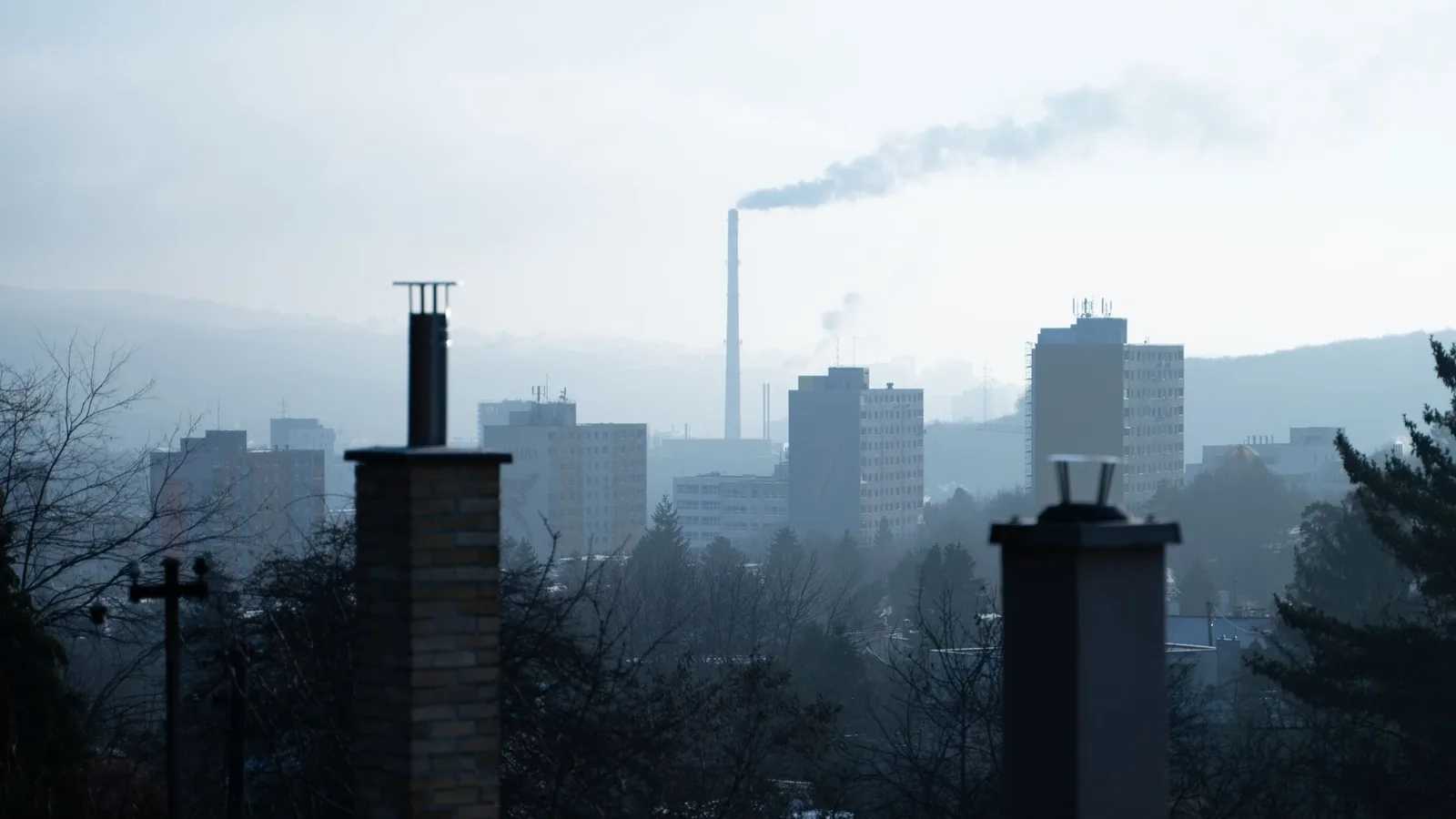
The Air Quality Index turns pollutant concentrations into one 0–500 number. For most people, most days, the pollutant that drives it is PM2.5 — particles small enough to reach deep into the lungs. Here's the table, current to EPA's 2024 update, and what to do at each band.
The bands (PM2.5, 24-hour average)
| AQI | PM2.5 (µg/m³) | Category | What to actually do |
|---|---|---|---|
| 0–50 | 0.0–9.0 | Good | Nothing. Open windows, go outside — your indoor CO₂ will thank you. |
| 51–100 | 9.1–35.4 | Moderate | Fine for nearly everyone; unusually sensitive people limit prolonged outdoor exertion. |
| 101–150 | 35.5–55.4 | Unhealthy for sensitive groups | Asthma, heart disease, kids, older adults: move workouts indoors; start the purifier. |
| 151–200 | 55.5–125.4 | Unhealthy | Everyone: cut outdoor exertion. Windows closed, purifier on high, N95 if you must be out long. |
| 201–300 | 125.5–225.4 | Very unhealthy | Stay in, run the clean-room playbook. |
| 301+ | 225.5+ | Hazardous | Emergency conditions; follow local guidance. |
Breakpoints per EPA's May 2024 revision, which tightened the "Good" band from 12.0 to 9.0 µg/m³ after the annual PM2.5 standard was strengthened.
Three things the single number hides
1. WHO thinks the bar should be lower
The WHO 2021 guideline is 5 µg/m³ annual and 15 for 24 hours — stricter than the US bands above. "Moderate" is not "harmless"; it's a policy compromise.
2. AQI is an outdoor number; you live indoors
Indoor PM2.5 during a smoke event tracks outdoor levels with a lag — unless you filter. A right-sized HEPA purifier (size yours here) can hold a closed room far below outside. Cooking — especially frying and toasting — is the other big indoor PM source, smoke season or not.
3. The AQI-vs-CO₂ tug of war
Sealing the house keeps particles out and traps CO₂ in. The resolution: filter for particles, ventilate in short flushes when outdoor air improves. The smoke guide sequences it.
Where indoor PM2.5 actually comes from
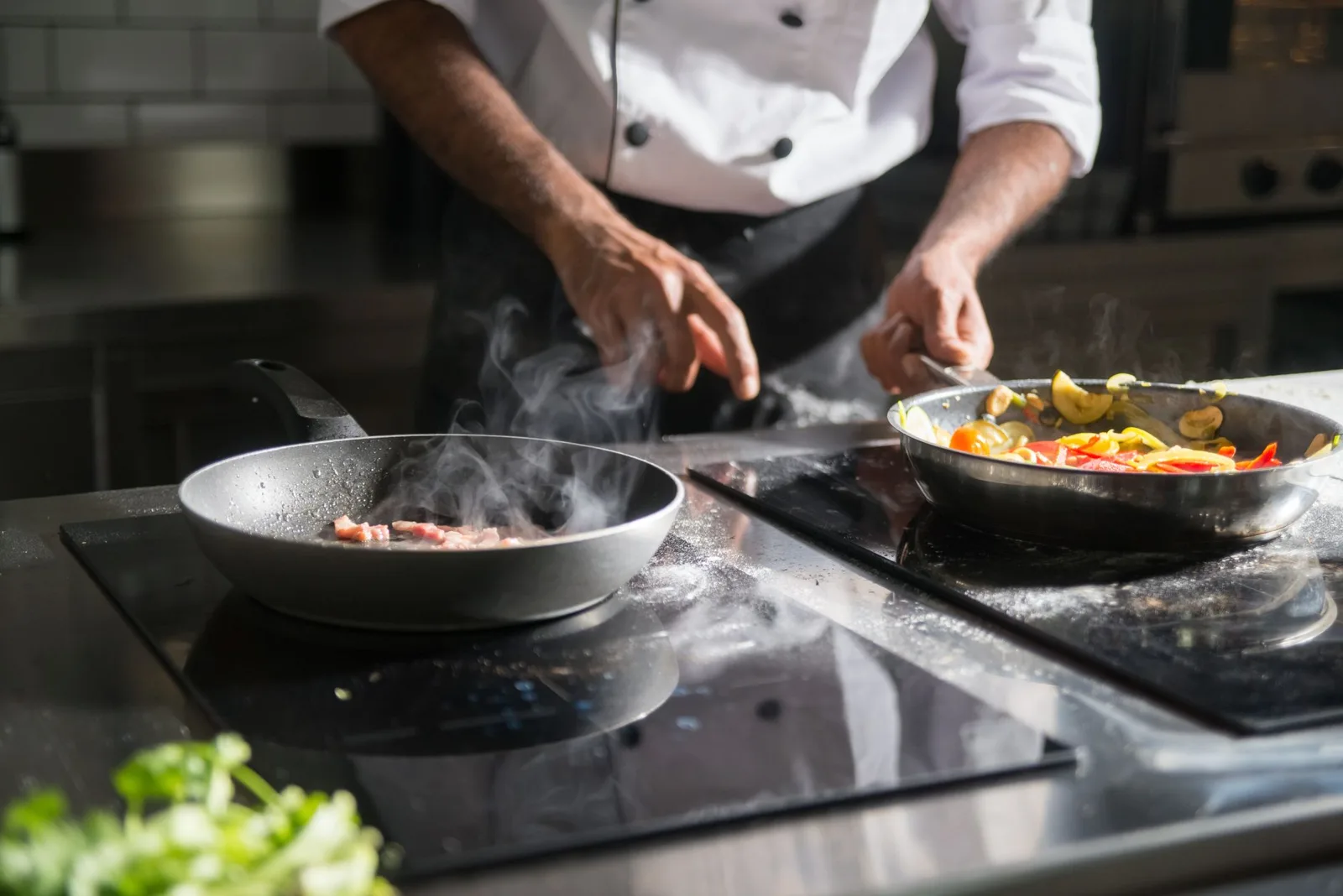
- Cooking — frying, searing, toasting; the range hood (vented outside, running before the pan is hot) is the single best control.
- Candles & incense — pleasant, and measurable for hours.
- Wood stoves & fireplaces — cozy PM factories, indoors and out.
- Smoking and vaping — the classic; no purifier keeps up with an active source.
- Vacuuming without a HEPA bag/filter — re-suspends what the carpet stored.
Beyond PM2.5, in one table
| Pollutant | Where it's from | One-line advice |
|---|---|---|
| Ozone (O₃) | Summer afternoon smog; some "ionizer" gadgets | Exercise mornings on smog days; never buy an ozone-emitting cleaner. |
| NO₂ | Gas stoves, traffic | Use the range hood every burn; crack a window when the oven runs long. |
| CO | Any flame, engines, generators | The one with an alarm. $25. Non-optional. |
| VOCs | Paints, new furniture, cleaners | Ventilate hard after anything new and smelly; time beats filters. |
Masks, briefly
For smoke days: a fitted N95/KN95 genuinely filters PM2.5; a surgical mask is marginal; cloth is roughly nothing. Fit is most of the game — air follows the leak.
Where to see live numbers
AirNow.gov (official US), the AirNow Fire & Smoke Map (includes low-cost sensor networks). Both free.
Sources
- US EPA (2024). Final reconsideration of the PM NAAQS and the associated AQI technical guidance (2024 PM2.5 breakpoints).
- WHO (2021). Global air quality guidelines (PM2.5: 5 annual / 15 daily µg/m³).
- US EPA — Wildfires and indoor air quality.