Guide · myth, kindly busted
Houseplants don't clean your air (sorry)
The most-shared air-quality "fact" on the internet — that a few potted plants purify a room — traces back to a 1989 NASA chamber study that says no such thing about your living room. Here's the honest math, and what plants are genuinely good for.
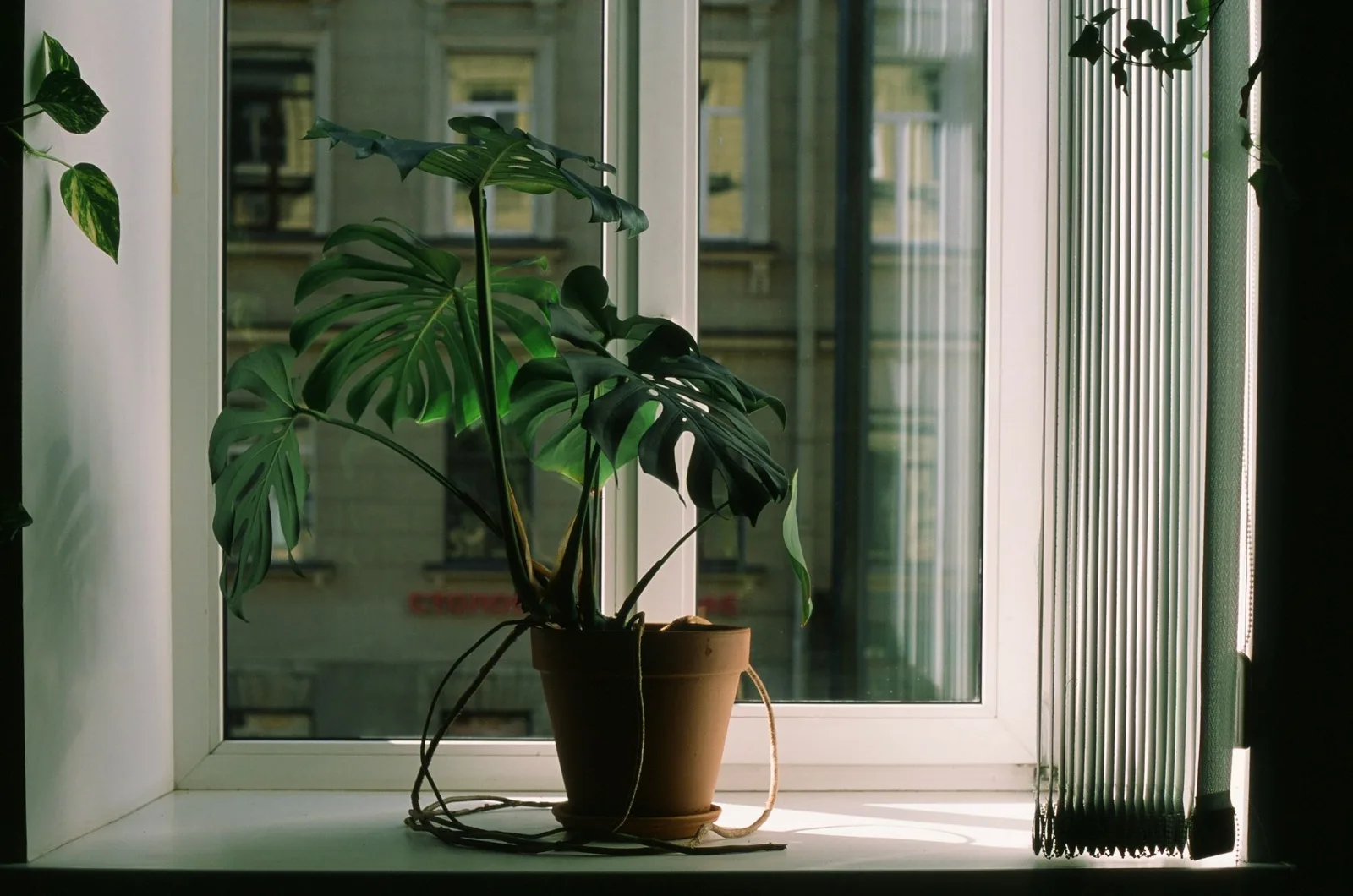
Where the myth comes from
NASA's famous study (Wolverton 1989) put single plants in small sealed chambers with a pulse of VOCs and measured removal over days. Real homes are not sealed chambers: they exchange air with outdoors constantly, and that exchange dwarfs what leaves and roots do.
The honest math
A 2019 review crunched 196 chamber experiments and converted them to a common metric. The result: to match the VOC removal of just the ordinary air exchange your home already has, you would need on the order of 10–1,000 plants per square meter of floor — a greenhouse, not a decor choice (Cummings & Waring 2019).
And for CO₂? Backwards at night
One person exhales far more CO₂ per hour than a windowsill of plants photosynthesizes away — and in the dark, plants respire: they add CO₂ to your bedroom, in tiny amounts. Either way, the plant is a rounding error next to a door left ajar (the numbers).
What plants are actually good for
- Genuine, well-documented psychological benefits — mood, stress, attention restoration.
- A humidity nudge in dry winters (small, real).
- Making you care about light and air — plant people ventilate more. Correlation we endorse.
Sources
- Cummings B.E., Waring M.S. (2019). Potted plants do not improve indoor air quality: a review and analysis of reported VOC removal efficiencies. Journal of Exposure Science & Environmental Epidemiology. doi:10.1038/s41370-019-0175-9
- Wolverton B.C. et al. (1989). Interior Landscape Plants for Indoor Air Pollution Abatement. NASA technical report — the sealed-chamber origin of the myth.